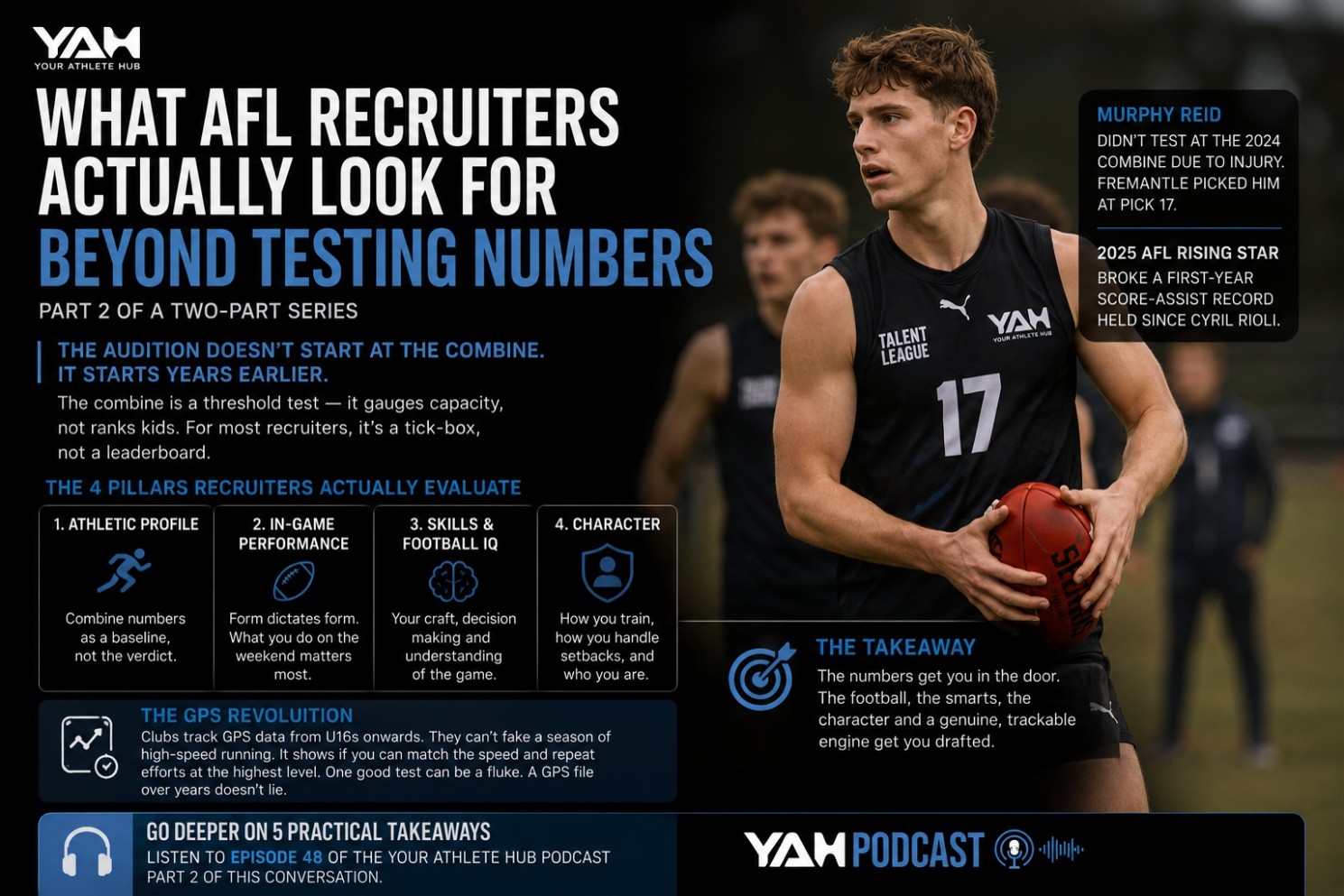
Part 2 of a two-part series.
Last blog was all about the numbers. This one's the other side of the coin.
Because every year, a kid smashes the combine and doesn't get picked. And every year, a kid with average testing — or no testing at all — goes top 20. Why?
Let me pull back the curtain on what AFL recruiters are actually doing.
Here's the first thing to understand: the audition doesn't start on a running track in October.
It starts years earlier, closer to 16.
The combine is a threshold test — it's there to gauge capacity, not to rank kids.
For most recruiters, it's a tick-box, not a leaderboard.
The four pillars recruiters actually evaluate
When clubs weigh up a prospect, it comes down to four things — and not in any particular order:
Athletic profile — the combine numbers, yes, but as a baseline, not the verdict.
In-game performance — what you actually do when the ball's in play.
Skills and football IQ — your craft and how you read the game.
Character — who you are, how you train, how you handle setbacks.
That last one is bigger than people think. Interviews, psychological profiles and reference checks all feed into it, and they can dramatically shape which way a kid's draft night goes.
But at the end of the day, form dictates form. On-field performance is what gets a kid drafted.
You can post whatever numbers you like — if the football isn't there on the weekend, it doesn't matter.
Take Murphy Reid. He didn't even test at the 2024 combine — he was carrying an injury — and clubs let him slide with questions over his pace and size.
Fremantle backed what they saw on the field and grabbed him at pick 17.
All he did next was win the 2025 AFL Rising Star and break a first-year score-assist record that had stood since Cyril Rioli.
The lesson?
The tape doesn't lie, and the right club backs what it sees in a game over what shows up on a stopwatch.
The GPS revolution
Here's the other piece I pay close attention to from a physical standpoint: GPS data.
Clubs are now sitting on years of running data — going right back to Under-16s in the talent leagues.
And that's powerful, because you can't fake a season's worth of high-speed running metres.
It's one of the key measures they look at, because it tells them whether a kid can match the speed and back up the repeat efforts required at the highest level.
One good testing day can be a fluke.
A GPS file that stretches back years doesn't lie.
The takeaway
If you're an 18-year-old chasing a draft pick — or a parent trying to help your kid get there — the numbers are only the entry ticket. The football, the smarts, the character and a genuine, trackable engine are what actually get you over the line.
I go deep on five practical takeaways for exactly this on the podcast.
Head over to Episode 48 of the Your Athlete Hub podcast — Part 2 of this conversation — to hear the lot.
LATEST ARTICLE
All Articles
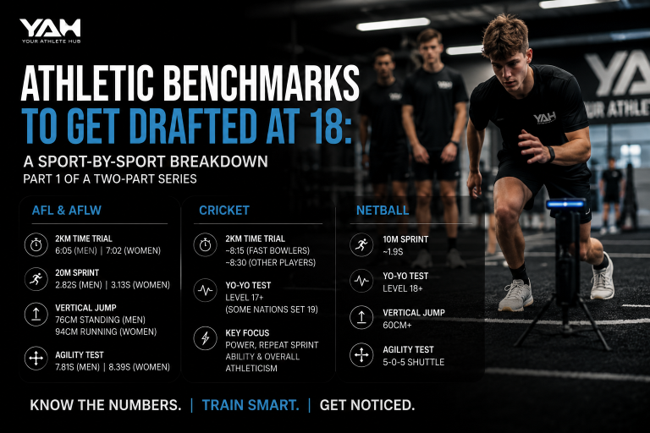
Athletic Benchmarks to Get Drafted at 18: A Sport-by-Sport Breakdown
Back 3 MIN READ Most young athletes who don’t get drafted aren’t unfit. They just don’t know what elite actually
STRENGTH & CONDITIONING
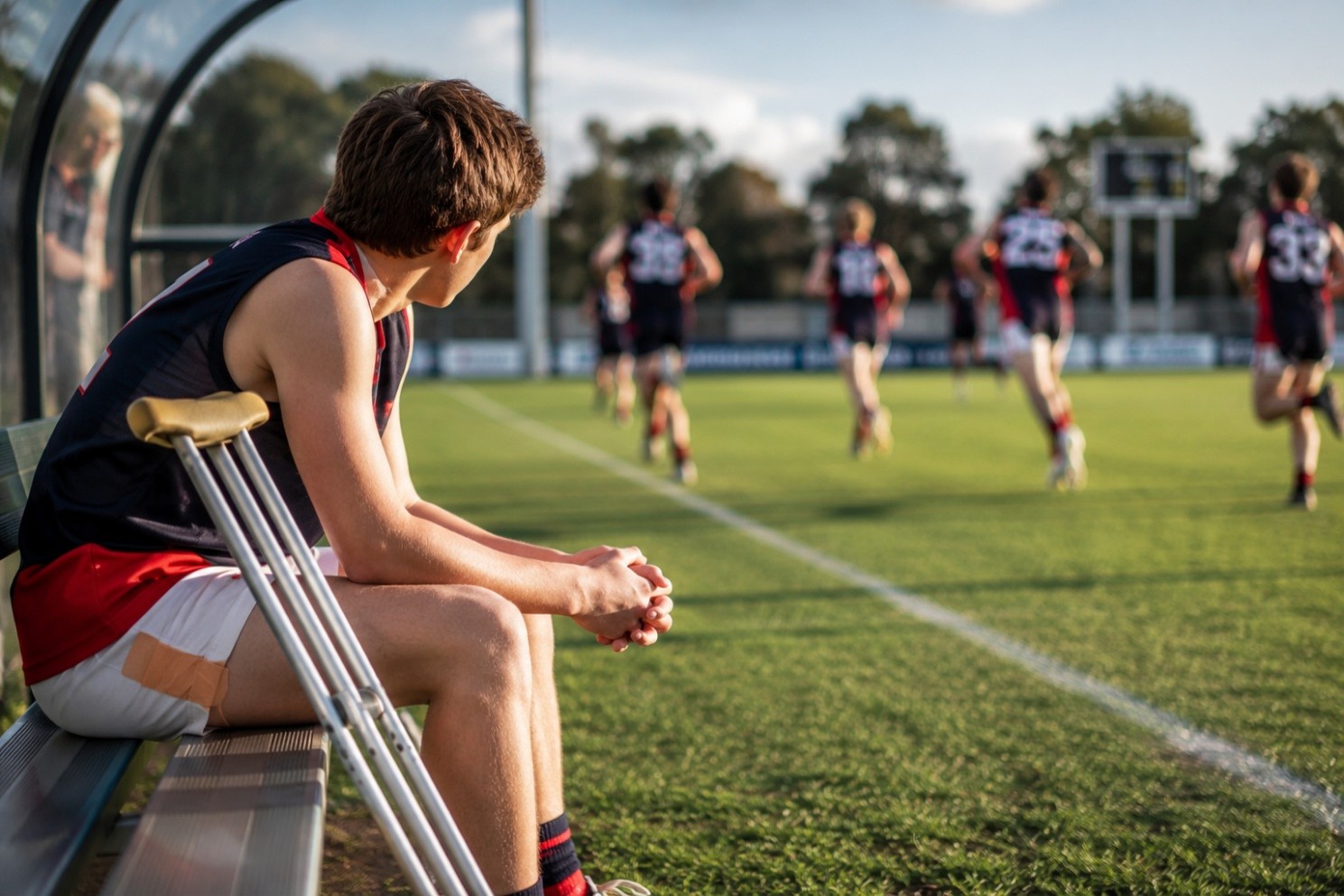
The Big Three Injuries That Derail Junior Careers: Hamstrings, Stress Fractures & Knees
Back 2 MIN READ Here’s the truth most parents don’t want to hear: plenty of kids who never get drafted
RECOVERY & PERFORMANCE

AI vs Personal Trainers: Are Coaches Being Replaced?
Back 2 MIN READ AI is changing the fitness industry at rapid speed. These days most athletes and gym-goers are
STRENGTH & CONDITIONING
READY TO LEVEL UP YOUR PERFORMANCE?
Don't let cash flow challenges hold your business back. Get expert guidance and proven strategies to optimise your financial performance.